Explore the Art Space Element to Unlock Your Creative Potential Now
Unleashing your creative potential can be a truly transformative experience, and exploring the art space element is a great way to get started, as it allows you to tap into your imagination and bring your ideas to life. By embracing this element, you can unlock new levels of innovation and self-expression, leading to a more fulfilling and engaging creative journey. Whether you're a seasoned artist or just starting to explore your artistic side, diving into the art space element can help you discover new passions and interests, and provide a fresh perspective on the world around you.
Explore the Ultimate Guide to Space Element of Art and Discover its Types and Features
Explore the vast world of space element of art to discover its various types and features that can elevate your understanding of visual composition and balance in a artwork Create a comprehensive analysis of space element of art to learn how to effectively use positive and negative space in your artwork to convey meaning and emotion
Understanding Space in Art Composition
A complete analysis of the space element of art reveals a multifaceted concept that encompasses various types and features including positive and negative space as well as overlapping and atmospheric perspective which are essential components of visual composition that artists use to create a sense of depth and dimension in their work The effective use of space in art allows artists to guide the viewer's eye through the composition and create a sense of balance and harmony that engages and challenges the viewer The space element of art is a fundamental principle of visual design that underlies all artistic mediums and styles and continues to evolve and influence contemporary art and design

Discover the 7 Essential Elements of Art Space to Unlock Your Creative Potential
Create visually stunning compositions by balancing positive and negative space to draw viewers into your artwork and evoke emotions that linger long after they look away Experiment with different spatial relationships and overlapping elements to add depth and create a sense of movement that keeps your audience engaged and invested in your artistic vision
Understanding Space in Art Composition
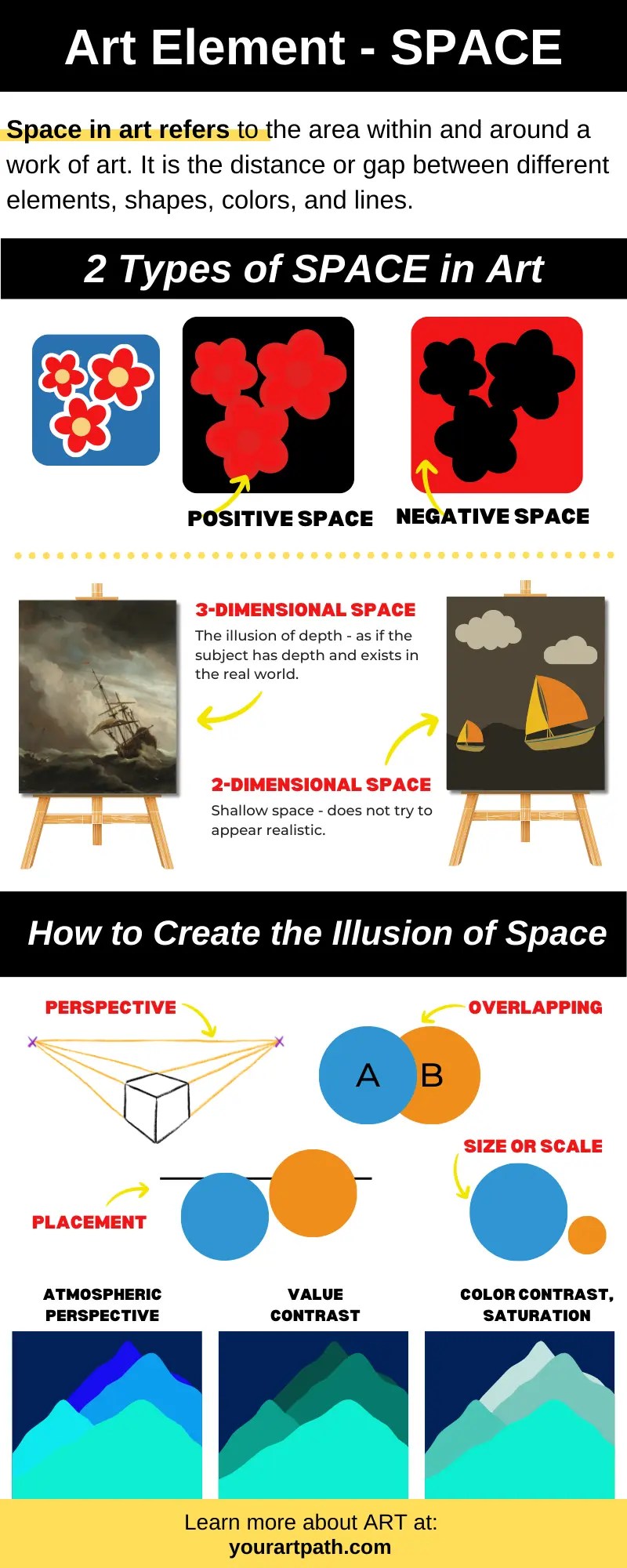
Creating the illusion of space in art involves using various techniques such as perspective and overlapping to create a sense of depth and distance on a flat surface artists use positive and negative space to create a sense of balance and harmony in their compositions the effective use of space can draw the viewer into the artwork and create a sense of immersion and engagement

Discover the Power of Space in Art and Explore its 2 Main Types with Amazing Examples
Explore the concept of space in art and discover how it can be used to create a sense of depth and atmosphere in various styles and mediums from abstract expressionism to pop art. Learn about the two main types of space in art including positive and negative space and see examples of how artists like Rothko and Warhol used these elements to create iconic and thought provoking works of art
Understanding Space in Art Composition
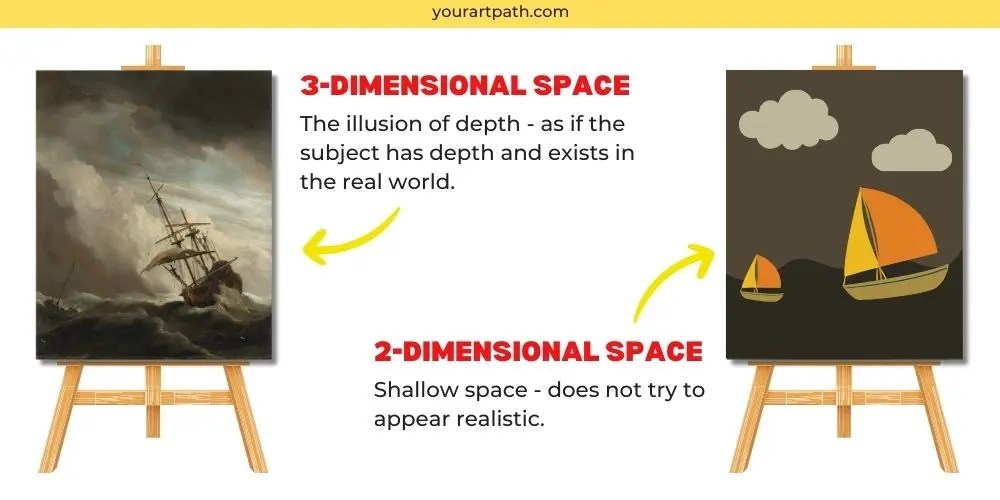
Space in art refers to the sense of depth and distance created on a flat surface by artists using various techniques such as perspective and overlapping to create an illusion of three dimensions on a two dimensional surface The two main types of space in art are positive space which refers to the areas in a work of art that are occupied by objects and negative space which refers to the empty areas around and between objects Examples of famous artworks that utilize space effectively include Vincent van Goghs Starry Night and Johannes Vermeers Girl with a Pearl Earring which demonstrate the use of positive and negative space to create a sense of depth and atmosphere
Discover the Power of Space in Art and Explore its 2 Main Types with Amazing Examples
Explore the concept of space in art and discover how it can be used to create a sense of depth and atmosphere in various styles and mediums from abstract expressionism to pop art. Learn about the two main types of space in art including positive and negative space and see examples of how artists like Rothko and Warhol used these elements to create iconic and thought provoking works of art
Understanding Space in Art Composition
Space in art refers to the sense of depth and distance created on a flat surface by artists using various techniques such as perspective and overlapping to create an illusion of three dimensions on a two dimensional surface The two main types of space in art are positive space which refers to the areas in a work of art that are occupied by objects and negative space which refers to the empty areas around and between objects Examples of famous artworks that utilize space effectively include Vincent van Goghs Starry Night and Johannes Vermeers Girl with a Pearl Earring which demonstrate the use of positive and negative space to create a sense of depth and atmosphere
Define Space In Your Art Today And Take Your Creativity To The Next Level
Define the space in your art by considering the emotional impact you want to create for your audience at Gabrielle Balcombe Blog to take your artwork to the next level and connect with viewers on a deeper level. Explore the possibilities of negative space and composition to add depth and meaning to your artwork and make it stand out in a crowded online space at Gabrielle Balcombe Blog
Defining Space in Artistic Composition
defining space in art is a crucial aspect of creating visually appealing and thought provoking pieces that draw viewers in and encourage them to explore the world of the artwork at gabrielle balcombe blog you can learn how to effectively use space to create balance and harmony in your art and discover new techniques for adding depth and dimension to your work

Discover the Power of Space in Art and Explore its 2 Main Types with Amazing Examples
Explore the concept of space in art and discover how it can be used to create a sense of depth and atmosphere in various styles and mediums from abstract expressionism to pop art. Learn about the two main types of space in art including positive and negative space and see examples of how artists like Rothko and Warhol used these elements to create iconic and thought provoking works of art
Understanding Space in Art Composition
Space in art refers to the sense of depth and distance created on a flat surface by artists using various techniques such as perspective and overlapping to create an illusion of three dimensions on a two dimensional surface The two main types of space in art are positive space which refers to the areas in a work of art that are occupied by objects and negative space which refers to the empty areas around and between objects Examples of famous artworks that utilize space effectively include Vincent van Goghs Starry Night and Johannes Vermeers Girl with a Pearl Earring which demonstrate the use of positive and negative space to create a sense of depth and atmosphere

Discover the 7 Essential Elements of Art Space to Unlock Your Creative Potential
Create visually stunning compositions by balancing positive and negative space to draw viewers into your artwork and evoke emotions that linger long after they look away Experiment with different spatial relationships and overlapping elements to add depth and create a sense of movement that keeps your audience engaged and invested in your artistic vision
Understanding Space in Art Composition
Creating the illusion of space in art involves using various techniques such as perspective and overlapping to create a sense of depth and distance on a flat surface artists use positive and negative space to create a sense of balance and harmony in their compositions the effective use of space can draw the viewer into the artwork and create a sense of immersion and engagement
